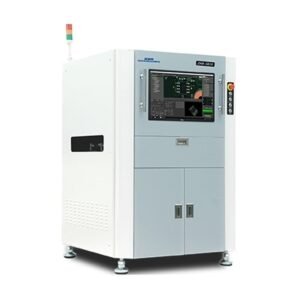
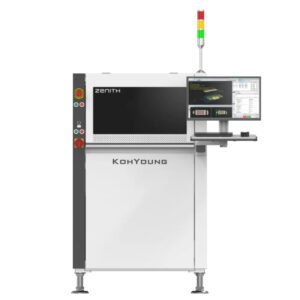
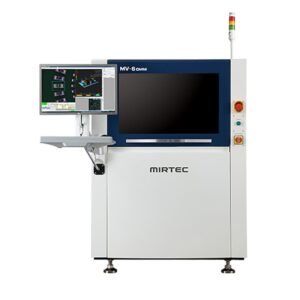
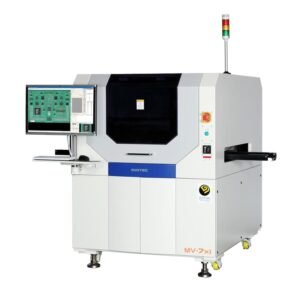
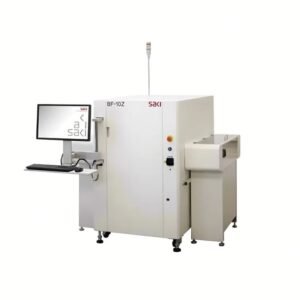
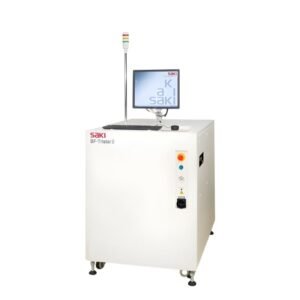
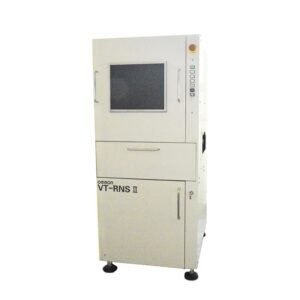
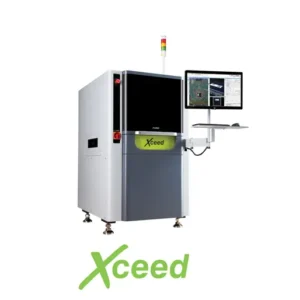
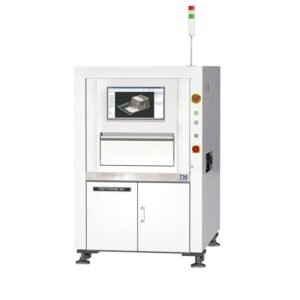
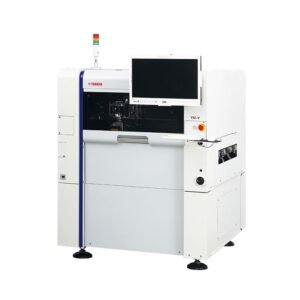
Inline 3D AOI — Mounted after reflow, linked by SMEMA, inspecting 100% of boards at line speed. Multi-angle projection or phase-shift methods measure real solder joint height — what separates a reliable 3D system from a 2D imager, and what lets it inspect dark moulded parts, tall connectors and shielded areas.
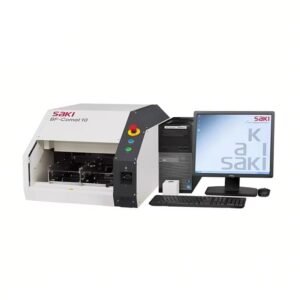
Offline and Standalone AOI — Bench-top or free-standing units for first-article checks, batch sampling, rework verification and incoming inspection. No line integration, lower cost, often the right first AOI for a small or mixed line.
2D vs 3D — 2D judges by colour and contrast: fast, inexpensive, adequate for bright solder and open components. 3D measures height in addition, coping with black-on-black parts, low-contrast joints and warped boards. For automotive, medical or any customer requiring IPC-A-610 Class 3 evidence, 3D is the defensible choice.
Missing, extra, wrong-value or reversed components
Offset, rotation, tombstone and billboarding
Lifted leads, bent pins, coplanarity failures
Insufficient, excess or bridged solder
Solder voids, cold joints and poor fillets
Polarity marks, damaged parts, contamination and scratches
Barcode and label verification, with traceability export to MES
Koh Young, Omron, Mirtec, Saki, Yamaha, TRI, JUTZE, Nordson and ASMPT — new and refurbished, with library files, parameter backups and engineering support for discontinued models.
A refurbished SMT AOI machine with calibrated optics, a rebuilt light source and documented accuracy verification typically costs 40–60% of a new system. Cameras and lenses age slowly; light sources and PCs are replaceable. For most lines, a well-refurbished 3D platform is the better commercial decision — and we’ll tell you when it isn’t.
Do I need AOI if I already run SPI? Yes. SPI inspects paste before reflow and prevents defects; AOI inspects joints after reflow and verifies the outcome. Running both usually cuts AOI false calls, because paste problems are removed before they become joint problems.
What resolution do I need? 20 µm/pixel covers 0402 and most 0.5 mm pitch work. For 0201 and 0.4 mm pitch, choose 10–15 µm/pixel and accept a slower cycle, or add a second camera.
How long does programming take? With CAD/Gerber import and a mature library, 1–3 hours for a new board; without them, a full day or more. Ask for the programming workflow in the demo, not just the inspection result.
Can AOI replace visual inspectors? It replaces the repetitive full-board visual check, and does it more consistently. Most customers redeploy inspectors to rework and first-article verification rather than removing the role.
Installation, training and spare parts? Yes — installation support, programming training and long-term spare parts, including light sources, cameras and conveyor components.
Send your board size, smallest component, required resolution, line speed and whether the line runs 2D or 3D today. We’ll recommend two or three matching platforms, with a sample programming plan, within one working day.
Showing all 11 results